

The best thing about the iPhone 17e isn’t the new chip, the updated modem, or the extra storage. It’s the ring of magnets Apple left out of the 16e — and according to iFixit’s teardown, you may not even need to buy the new phone to get them.
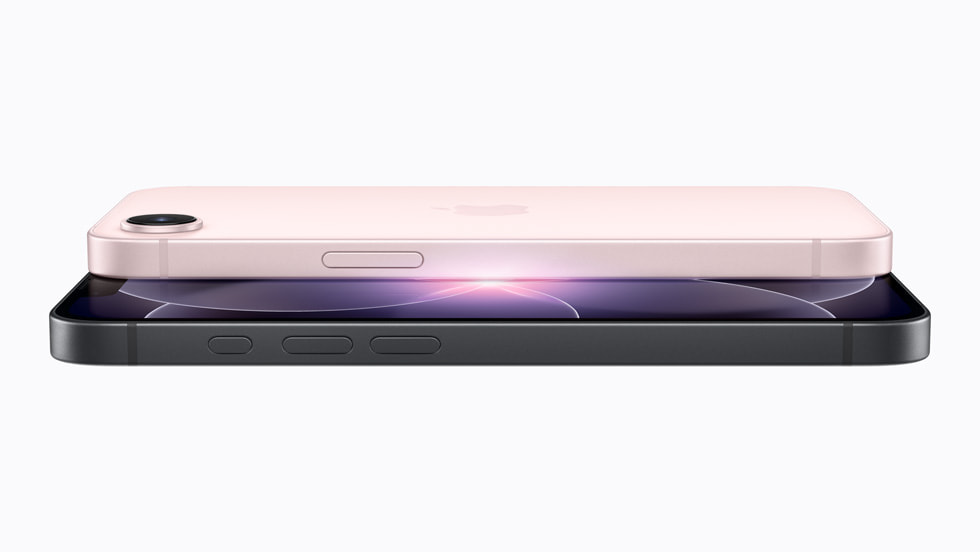
Nearly Identical Inside — With One Big Difference
iFixit’s CT scan of the 17e showed the internals are almost a carbon copy of the 16e. The logic board, battery, display, cameras — all in familiar places. The only significant addition is the MagSafe magnetic assembly around the back glass.
That’s not a knock on the 17e. It means the 16e’s best repairability features survived intact: the dual-entry design (open from front or back), electrically debonding battery adhesive, and day-one public repair manuals. The battery itself is the exact same unit found in the 16e — interchangeable, iFixit confirmed through direct testing.
The Part Swap That Changes Everything for 16e Owners
Here’s the headline finding: the 17e’s MagSafe back glass panel is physically compatible with the iPhone 16e. iFixit swapped a 17e back panel onto a 16e and it fitted cleanly. The result is a 16e that can magnetically attach to chargers, car mounts, battery packs, and the full MagSafe accessory ecosystem.
There are caveats. The swapped 16e won’t play the MagSafe attachment animation or make the signature snap sound — that requires the 17e’s software awareness. It won’t officially support Qi2’s consistent 15W charging either, though iFixit observed the modified 16e drawing up to 10W and suspects alignment gains may push it closer to 15W. StandBy mode won’t activate automatically either.
But for most people who wanted MagSafe — the magnetic snap for a car mount, a wallet, a battery pack — this gets you there. Apple hasn’t released 17e spare parts yet, but equivalent back panels from other iPhone models run about $120 with a return credit, or around $20 from third-party suppliers.
Almost Every Part Swaps Between the Two Phones
The interoperability goes well beyond the back glass. iFixit transplanted a 16e logic board into a 17e chassis and had Repair Assistant handle the rest. Cameras work both ways. The battery is identical. The SIM tray fits.
The only exception is the TrueDepth front camera assembly. You can physically swap it and still take selfies, but Face ID stops working — a biometric protection iFixit calls expected and reasonable.
For repair shops and refurbishers, a broad shared parts pool means easier sourcing, more salvage value from both devices, and cheaper repairs over time.
Where the 17e Still Falls Short
One frustration carries over from the 16e: the USB-C port is buried deep. Replacing it requires removing the logic board, a plastic spacer, several awkward screws, and delicate ribbon cables — all to reach one of the most wear-prone components in any phone. iFixit notes that Apple actually improved port access in the standard iPhone 16, but that change didn’t make it to the e-series.
It’s the primary reason the repairability score doesn’t go higher.
Repairability Score: 7/10
iFixit awarded the iPhone 17e a provisional 7 out of 10 — matching the 16e and the iPhone 17, and one point ahead of the MacBook Air M4. The “provisional” label reflects that spare parts aren’t publicly available yet; the score may shift once repair shops can test real-world replacements at scale.
For context: the MacBook Neo scored 6/10, and the MacBook Pro M5 scored 4/10.
The Bottom Line
The iPhone 17e is a modest step up from the 16e — but it quietly fixes that model’s most glaring omission. And the unusually open parts ecosystem means 16e owners who mainly wanted MagSafe have a practical, affordable path to get it without buying a new phone. That’s not something Apple typically makes easy.
Full teardown: iFixit — iPhone 17e Teardown