

The commercial space tourism landscape shifted dramatically in early 2026 when Blue Origin — Jeff Bezos’s rocket company — announced it was suspending its New Shepard space tourism flights. The decision left Virgin Galactic, founded by Richard Branson, as the sole major operator still actively flying paying passengers on suborbital trips to the edge of space, and the company is moving quickly to capitalize on the opportunity.
Blue Origin Steps Back
Blue Origin’s New Shepard rocket had been carrying tourists on short suborbital hops since 2021, with tickets reportedly ranging from $200,000 to over $1 million per seat. The January 2026 suspension announcement gave no specific timeline for resumption, citing the company’s focus on its much larger New Glenn orbital rocket — which successfully launched for the first time in early 2025 and is now pursuing national security launch contracts.
Blue Origin remains deeply involved in NASA’s Artemis program through its Blue Moon lunar lander contract, worth $3.4 billion, which will carry astronauts to the Moon’s surface on Artemis 5 in 2029. The company appears to be pivoting from tourist hops to serious government spaceflight.
Virgin Galactic’s Opportunity
Virgin Galactic’s Richard Branson has been vocal about seizing the moment. The company’s Delta-class spaceplane fleet — the next generation of spacecraft after the original VSS Unity — is designed to fly far more frequently than its predecessor, targeting hundreds of flights per year. With Blue Origin out of the suborbital tourism market temporarily, Virgin Galactic has a rare window to establish dominance in the space tourism niche.
Tickets for Virgin Galactic flights are priced at $450,000–$600,000 per seat, giving passengers approximately 90 seconds of weightlessness and views of Earth’s curvature from 50+ miles altitude.
SpaceX Remains Dominant in Orbital Tourism
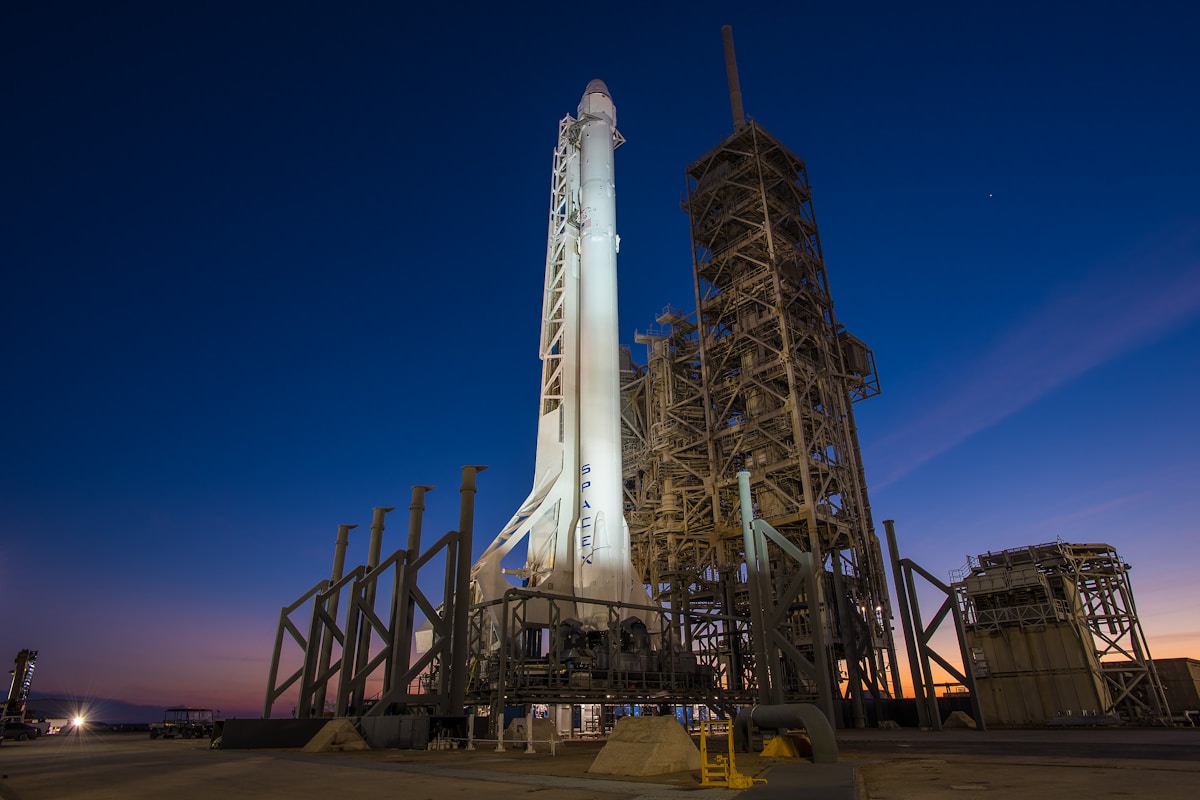
While the suborbital battle plays out between Blue Origin and Virgin Galactic, SpaceX continues to dominate orbital space tourism through its Crew Dragon spacecraft. Crew Dragon has carried private astronaut missions to the International Space Station, with seats reportedly priced around $55 million each. SpaceX also continues its Starlink satellite internet expansion, having launched its 600th Starlink satellite of 2026 in a remarkable demonstration of launch cadence.